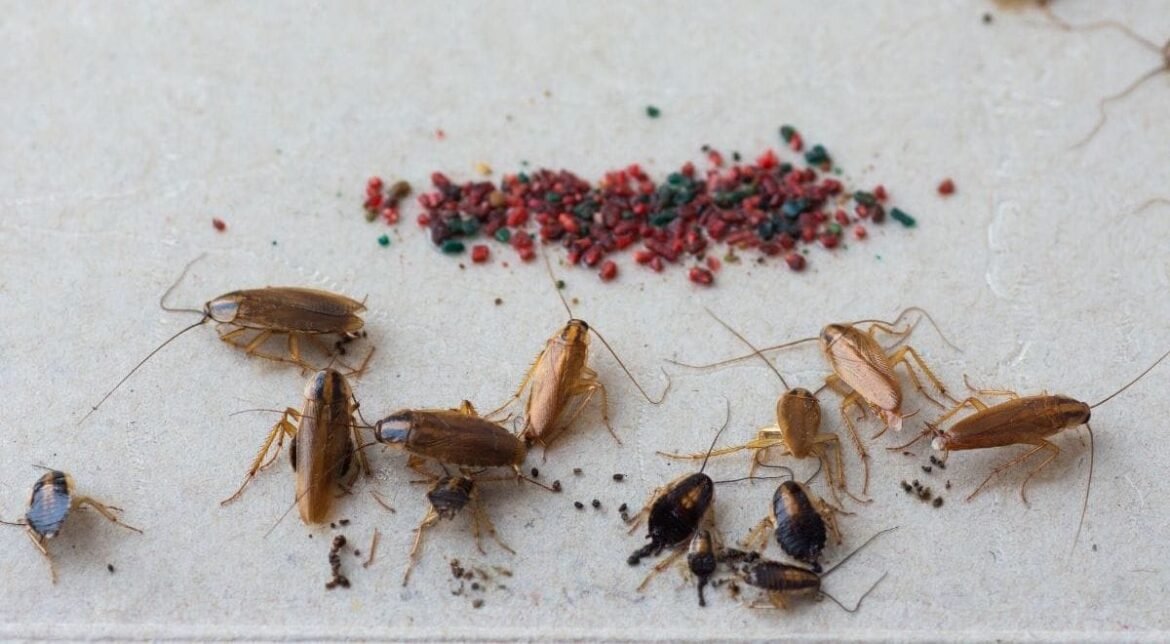
Discovering a baby roach scuttling across your kitchen counter is more than a small annoyance it’s a red flag that your home might be under siege by one of nature’s most persistent pests. Baby cockroaches, also called nymphs, don’t wander in from outside on their own. Their presence usually means there’s an active breeding population somewhere nearby, often hidden in dark, warm corners of your home.
Why should you care? Because where there’s one baby cockroach, there are likely dozens, if not hundreds more, waiting to emerge. These tiny pests don’t just bring discomfort; they carry harmful bacteria, worsen allergies, and can spread rapidly if not addressed immediately.
In this detailed guide, you’ll learn how to identify baby roaches, understand their habits, spot early signs of infestation, and most importantly, eliminate them for good.
What Is a Baby Roach?
A baby roach, also called a cockroach nymph, is the immature stage of a cockroach’s life cycle. Unlike butterflies or beetles that undergo complete metamorphosis, cockroaches go through a simpler process called incomplete metamorphosis. This means they don’t have a larva or pupa stage; they hatch directly as small versions of adult roaches.
The cockroach life cycle consists of three stages:
- Egg Encased in an ootheca (egg capsule).
- Nymph (baby roach) A smaller, wingless version of the adult.
- Adult Fully grown with reproductive abilities and, depending on the species, wings.
Baby roaches molt multiple times as they grow, shedding their exoskeleton until they reach maturity. Depending on the species, this process can take anywhere from a few months to over a year.
Appearance
Recognizing a baby roach is crucial to catching an infestation early.
Traits include:
- Small size (1/8 to 1/4 inch long).
- Lighter in color when first hatched (whitish or translucent).
- Darkening to brown or reddish shades as they age.
- Lack of wings, though older nymphs may show small wing buds.
- Extremely fast runners compared to adults.
Here’s a quick comparison:
| Feature | Baby Roach (Nymph) | Adult Roach |
| Size | 1/8 – 1/4 inch | 1/2 inch – 2 inches |
| Color | White → brown/reddish | Dark brown/black |
| Wings | None | Present in most species |
| Speed | Very fast | Fast, slightly slower |
| Habitat | Hidden, dark areas | Kitchens, bathrooms, drains |
Species Found in Homes
Several species of cockroaches are common household invaders. Knowing which kind you’re dealing with helps in choosing the right control methods.
- German Baby Roach: Small, light brown, most common indoors. Rapid breeders.
- American Baby Roach: Larger nymphs, reddish-brown, often found in basements and sewers.
- Oriental Baby Roach: Darker, glossy black nymphs, prefer damp, cooler places.
- Brown banded Baby Roach: Light brown with banding patterns, often hiding in furniture.
Case Example: A homeowner in Houston noticed tiny brown insects in their dishwasher. After closer inspection, they turned out to be German baby roaches. Within two months, the infestation multiplied so rapidly that professional extermination was required.
Where Do Baby Roaches Come From?
Every baby cockroach begins its life in an egg case called an ootheca. Female roaches either carry these capsules until the babies hatch or deposit them in hidden areas. Depending on the species, one ootheca can hold 15 to 50 eggs.
Favorite hiding places where baby roaches emerge:
- Behind stoves and refrigerators.
- In cabinets and pantry shelves.
- Around leaky sinks and bathroom drains.
- Inside cracks along baseboards and tiles.
- Within piles of clutter or cardboard boxes.
Baby roaches thrive in warm, moist, and dark conditions with easy access to crumbs, grease, and standing water.
Why Finding a Baby Roach Is a Serious Problem
Many people assume a baby roach is less threatening than an adult. The reality is the opposite. Spotting a baby cockroach often means a large infestation is developing.
Here’s why it’s a big deal:
- Rapid reproduction: A single German cockroach female can produce up to 300 offspring in her lifetime.
- Hidden colonies: Baby roaches don’t wander alone they’re part of an established breeding nest.
- Health hazards: Roaches carry bacteria like E. coli, Salmonella, and can trigger asthma and allergies.
- Resilience: Roach nymphs can survive without food for weeks and without water for days.
Quote from an Entomologist:
“Seeing even one baby roach is rarely an isolated event. It means the eggs have already hatched, and an infestation is underway.”
How to Identify
The earlier you catch an infestation, the easier it is to control.
Signs of baby roach activity include:
- Tiny black droppings that look like coffee grounds.
- Egg cases (ootheca) in cabinets or corners.
- Transparent, shed skins left behind after molting.
- A strong, musty, oily odor.
Lifecycle Diagram:
Egg Case (Ootheca) → Baby Roach (Nymph) → Adult Roach
Pro tip: If you see baby roaches during the day, the infestation is usually severe, as roaches are nocturnal and prefer to stay hidden.
How to Get Rid Effectively
Eliminating baby cockroaches requires a multi-step strategy. Simply squashing the ones you see won’t solve the problem.
Immediate Steps You Can Take
- Clean thoroughly: Remove crumbs, grease, and standing water.
- Seal entry points: Fill cracks, gaps, and holes with caulk.
- Declutter: Roaches love cardboard and paper stacks.
DIY Methods
- Roach Baits Gel baits and bait stations lure baby roaches and adults to poisoned food sources.
- Traps Sticky traps help monitor infestations and capture wandering nymphs.
- Boric Acid A natural yet powerful insecticide that dehydrates roaches. Use sparingly around children and pets.
- Diatomaceous Earth Food grade DE works by scratching the insect’s exoskeleton, causing dehydration.
- Essential Oils Peppermint, eucalyptus, and tea tree oil can deter roaches naturally, though not as effective as baits.
Case Study: A family in Chicago reduced their baby roach population significantly by applying boric acid behind appliances and sealing leaks under their sink. However, when numbers persisted, professional help became necessary.
Professional Pest Control
Sometimes DIY isn’t enough. Professionals use tools and products that aren’t available to the public.
What exterminators do differently:
- Apply Insect Growth Regulators (IGRs) that prevent nymphs from maturing into adults.
- Use targeted baits that work on entire colonies.
- Conduct detailed inspections to locate hidden nests.
Hiring a professional ensures long-term prevention, not just a temporary fix.
Returning
The battle isn’t over once you’ve killed visible baby roaches. Prevention is key.
Baby Roach Prevention Checklist:
| Prevention Step | Why It Works |
| Store food in sealed jars | Cuts off food supply |
| Empty trash daily | Removes attractants |
| Fix leaks & drips | Eliminates water sources |
| Seal cracks & crevices | Blocks entry points |
| Regular deep cleaning | Keeps environment unwelcoming |
Consistency is your best weapon. Even small lapses in cleanliness can invite roaches back.
Spot the Difference
Baby roaches are often confused with other insects. Misidentifying them can waste time and money.
Comparison Table:
| Bug Type | Size & Color | Key Features |
| Baby Roach | Brown, 1/8–1/4 inch | No wings, oval, fast-moving |
| Bed Bug Nymph | Clear → reddish | Slow, flat, blood-feeding |
| Termite Swarmer | Light, winged | Straight antennae, fragile body |
| Beetle Larva | Segmented, varied | Hard shell, slower movement |
Key takeaways:
- Baby cockroaches (nymphs) indicate a breeding colony.
- They spread disease, worsen allergies, and reproduce quickly.
- Immediate cleaning, sealing, and baiting are crucial first steps.
- For severe cases, professional pest control is the most reliable option.
Conclusion
Seeing a baby roach in your home is not something to ignore. It’s a clear sign of an active infestation that, if left unchecked, can spiral into hundreds of roaches in just a few months.